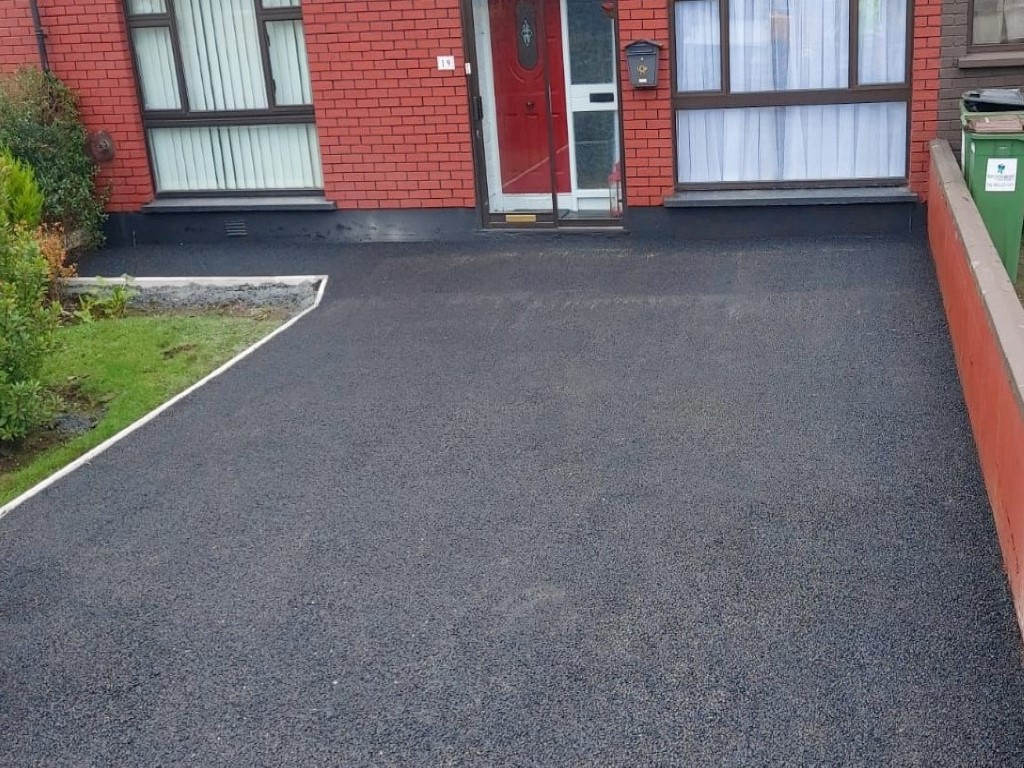

A well-installed patio transforms your outdoor space into a functional area for entertaining, dining, or simply relaxing. In Guildford’s varied climate, choosing the right materials and installation approach makes all the difference between a surface that lasts decades and one that starts cracking within a few years.
Patio installation involves several key stages. First comes excavation, where contractors dig out the area to the required depth, typically 150-200mm for most residential patios. Next is the foundation layer, usually comprising compacted hardcore or sand, followed by laying your chosen material.
Popular Patio Materials for Guildford Properties
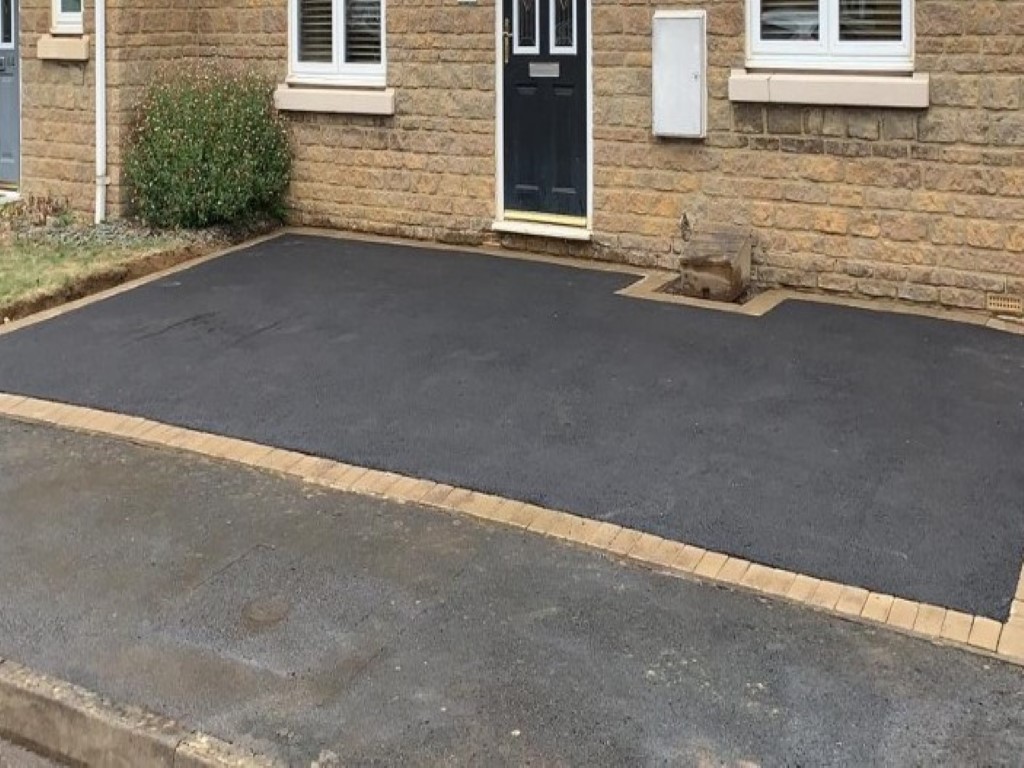
Natural stone remains the premium choice, with sandstone, limestone, and slate offering durability and character. Porcelain tiles are increasingly popular for their low maintenance and consistent appearance. Traditional brick and block paving provide classic looks at moderate cost.
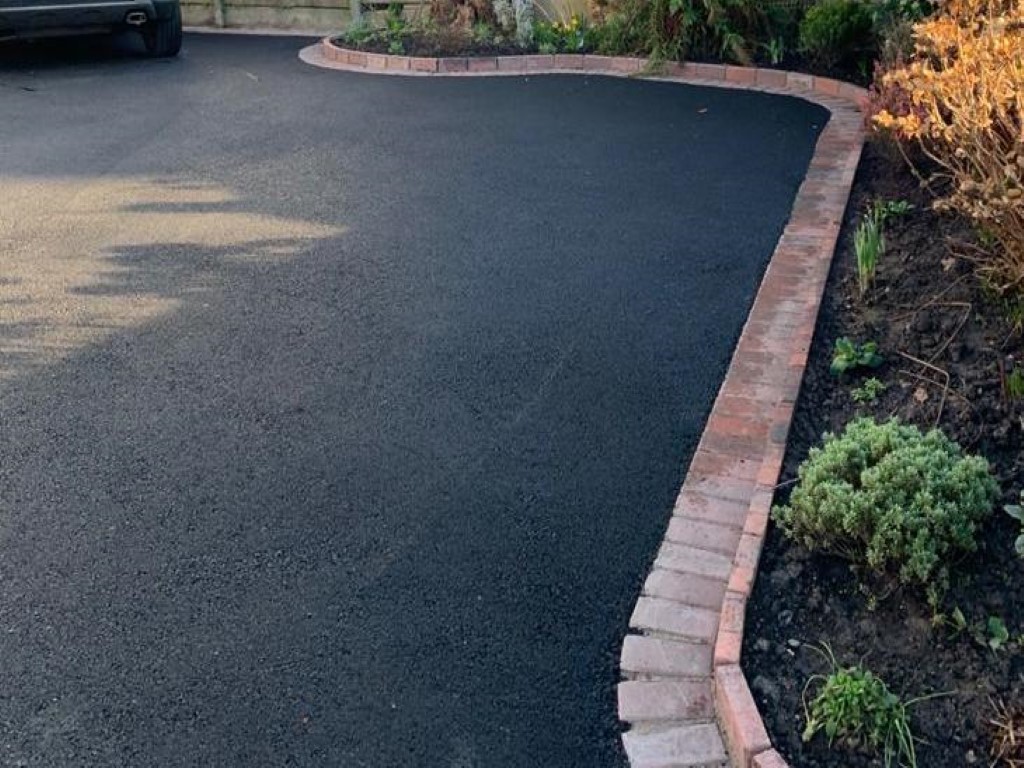
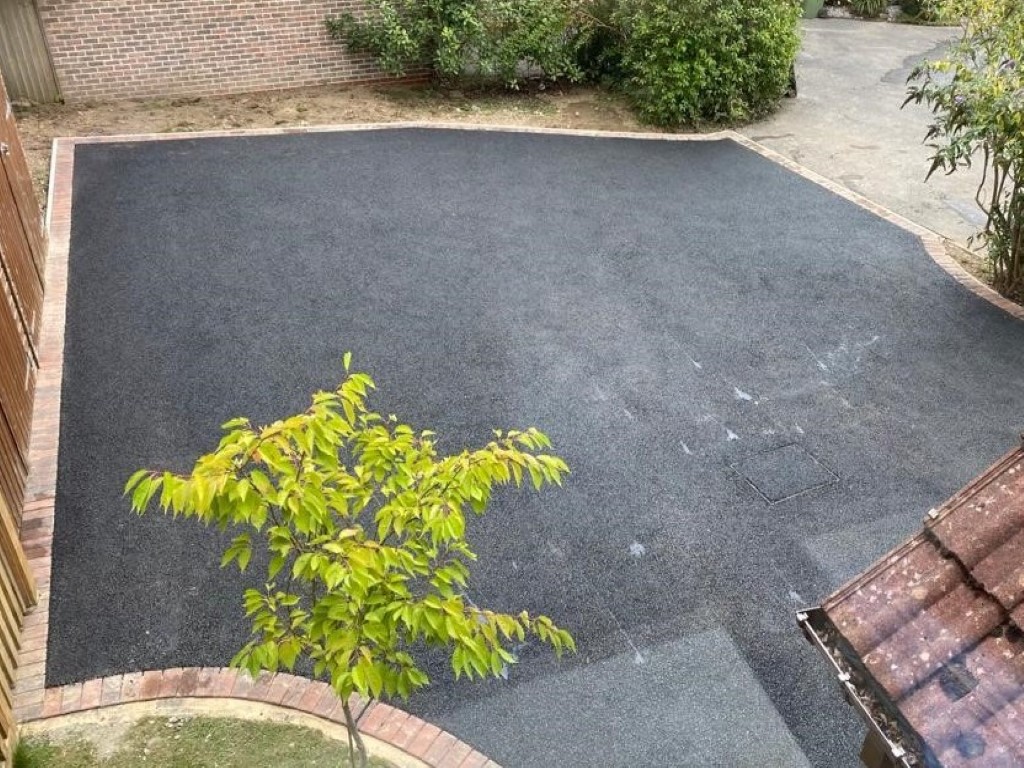
Concrete slabs offer the most budget-friendly option, though they lack the visual appeal of natural materials. Each material has different drainage requirements and installation methods.
What to Expect During Installation
Most patio installations take 3-7 days depending on size and complexity. Weather delays are common, particularly during Surrey’s wetter months. Expect some disruption to your garden and limited access through installation areas.
Quality contractors will protect existing plants, ensure proper drainage falls, and clean up thoroughly. When seeking reliable installation, look for contractors with proven track records like these County Wexford contractors who have built solid reputations in New Ross through consistent quality work.
Costs and Considerations
Basic concrete patio installation typically costs £40-60 per square metre. Natural stone installations range from £80-150 per square metre including labour. Complex designs, drainage work, or difficult access increase costs significantly.
Consider long-term maintenance requirements, especially with natural stone that may need periodic sealing. Factor in planning permission requirements for larger installations or those affecting drainage.