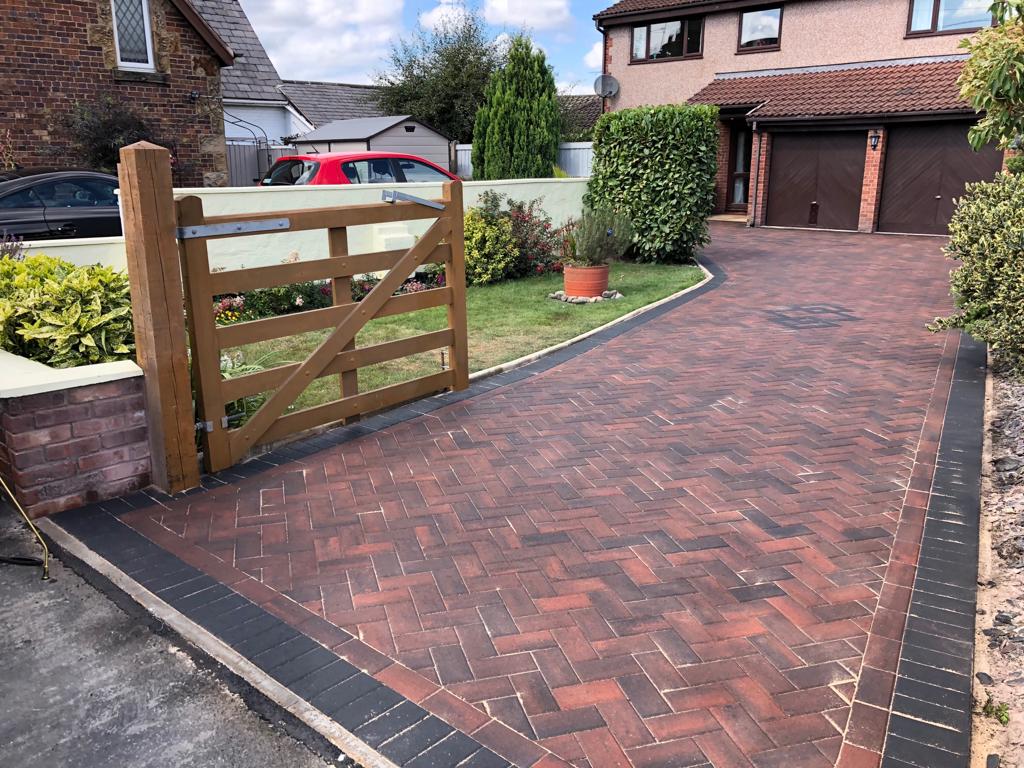

Permeable block paving offers an effective solution for sustainable drainage systems (SuDS) compliance in Guildford developments. This specialist paving system allows rainwater to infiltrate through the surface, reducing surface water runoff and flood risk.
The system works through specially designed blocks with wider joints filled with permeable materials. Water passes between the blocks into a sub-base layer of crushed stone or gravel, where it infiltrates naturally into the surrounding soil.
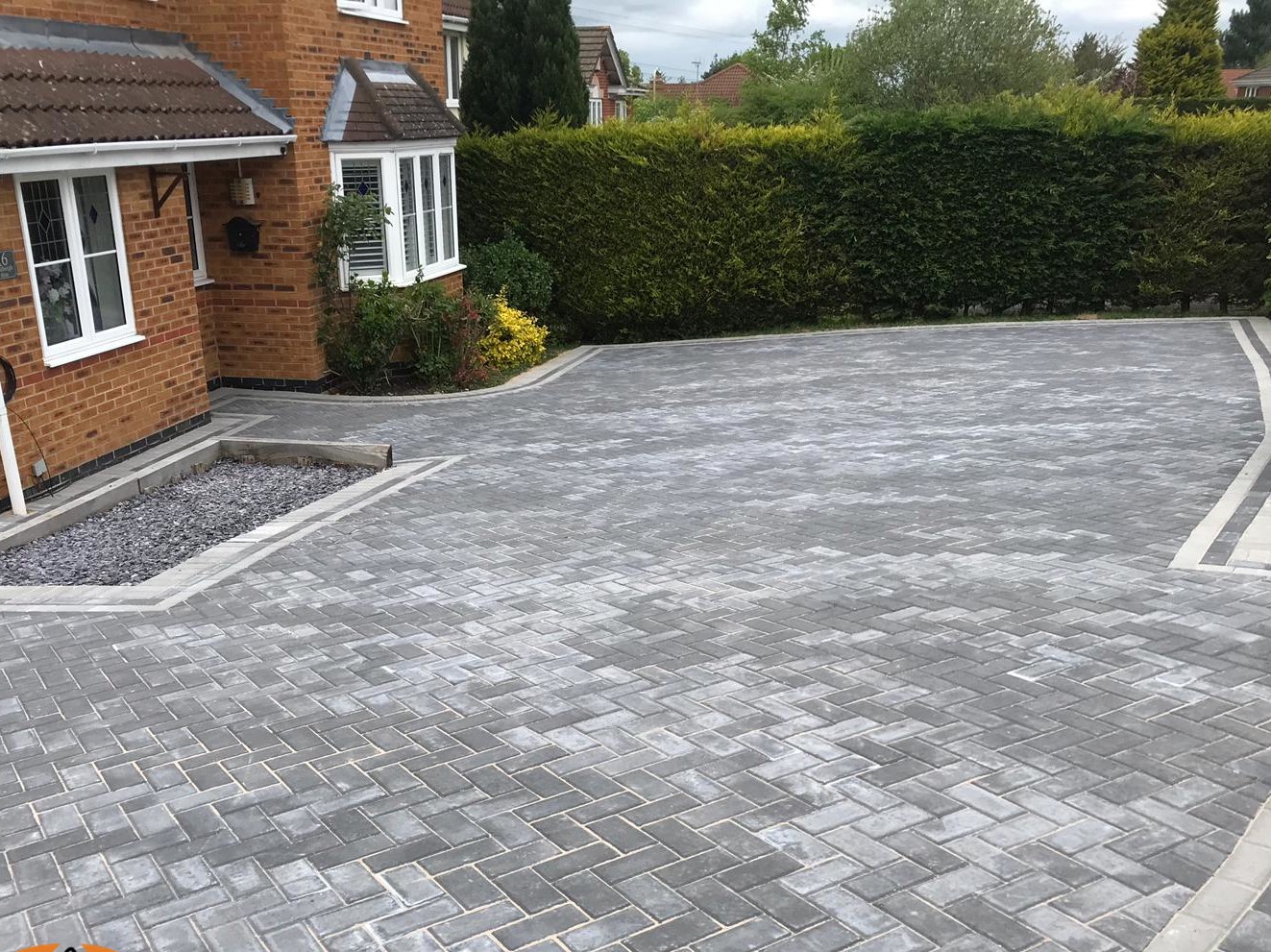
Key Components of Permeable Block Paving Systems
- Permeable concrete blocks or clay pavers with chamfered edges
- Kiln-dried sand or fine aggregate bedding layer
- Open-graded crushed stone sub-base (typically 150-300mm depth)
- Geotextile membrane to prevent soil migration
- Permeable jointing material between blocks
The sub-base depth depends on ground conditions and expected water volumes. Areas with clay soils may require deeper stone layers or additional drainage measures to ensure adequate infiltration rates. Professional drainage solutions often make the difference between a long-lasting installation and early failure.
SuDS Compliance Benefits
Permeable block paving helps meet planning requirements for new developments and extensions in Guildford. Surrey County Council often requires sustainable drainage solutions for projects increasing impermeable surfaces by more than 5 square metres.
The system reduces peak flow rates during heavy rainfall events. Water infiltrates gradually rather than running off immediately into surface water drains, helping prevent localised flooding downstream.
Installation requires careful attention to falls and gradients. The surface should fall away from buildings at 1:60 minimum, directing excess water towards planted areas or conventional drainage systems during extreme weather events. Proper slope installation is crucial for effective water management.
Regular maintenance involves occasional brushing of joint materials and periodic pressure washing to maintain infiltration rates. Properly installed systems typically provide effective drainage for 20+ years with minimal intervention.