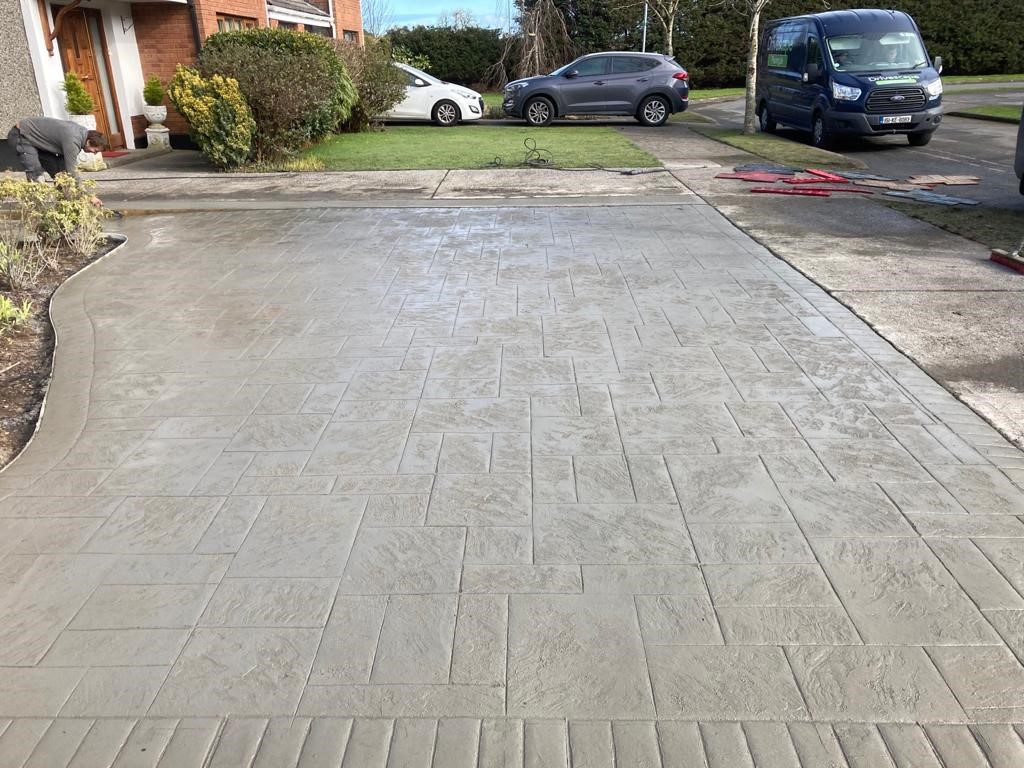

Guildford’s winter frost poses serious threats to concrete driveways. Freeze thaw cycles crack concrete when water expands inside pores. Prevention starts before winter arrives.
Pre-Winter Surface Preparation
Clean your concrete thoroughly in autumn. Remove oil stains, moss, and debris that trap moisture. Power washing removes embedded dirt from surface pores. When maintenance becomes insufficient, specialist contractors can help with restoration.
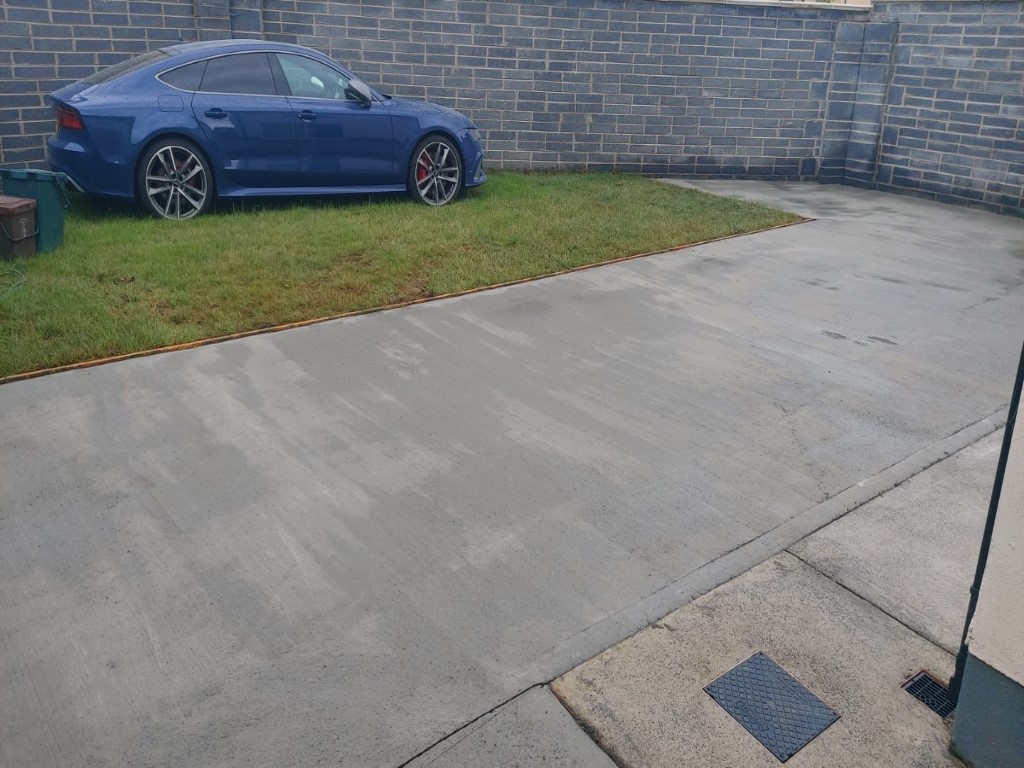
Apply concrete sealer every two years minimum. Penetrating sealers work better than surface coatings for frost protection. They block water absorption without creating slippery surfaces.
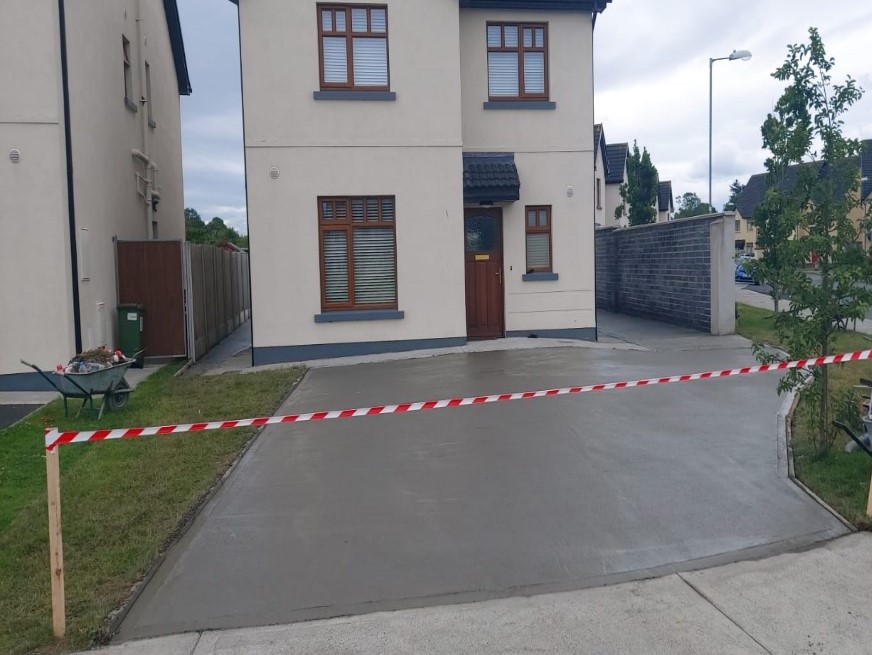
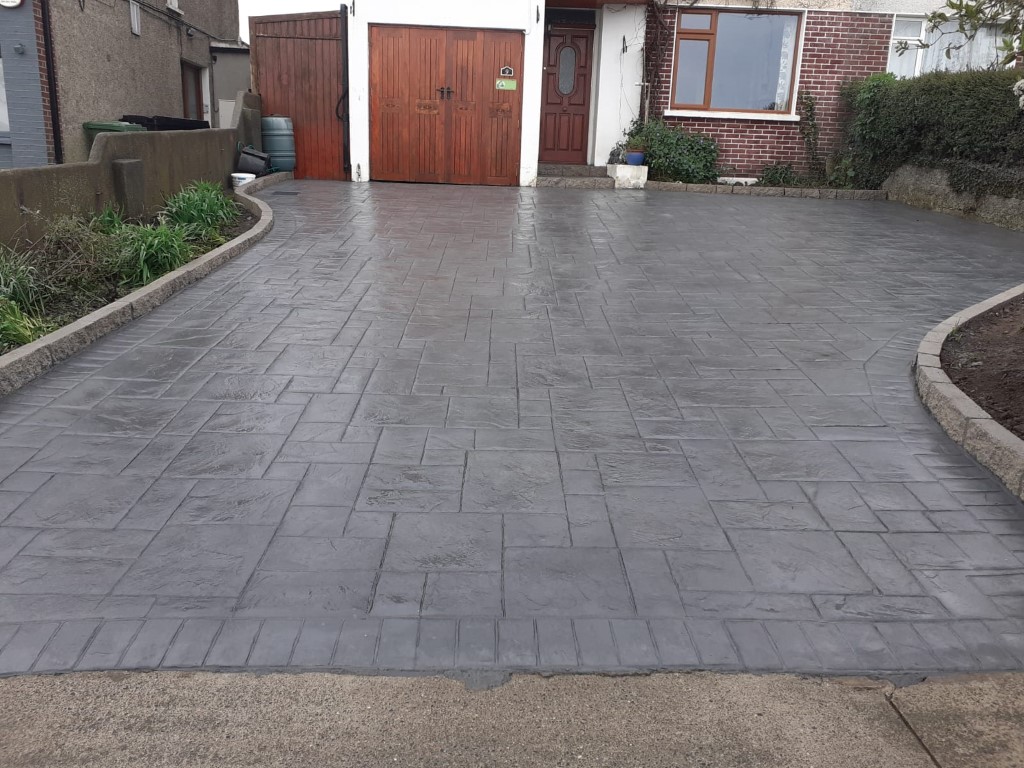
De-icing Product Selection
Rock salt damages concrete surfaces permanently. The chloride attacks cement bonds and accelerates deterioration. Never use standard road salt on residential driveways.
Safe alternatives include:
- Calcium magnesium acetate
- Potassium chloride
- Sand for traction without melting
- Cat litter for emergency grip
Drainage and Water Management
Clear drainage channels before winter. Standing water creates larger ice patches that expand with more force. Redirect downpipes away from concrete surfaces. Proper slope installation and drainage requirements are crucial for preventing water accumulation.
Fill hairline cracks immediately. Water penetration through small cracks causes major splitting during freeze cycles. Use concrete crack filler rated for exterior use.
Spring Damage Assessment
Inspect surfaces after final frost. Look for new cracks, surface scaling, or loose aggregate. Address damage immediately to prevent water penetration next winter.
Reapply sealer if surfaces show water absorption. Concrete should bead water droplets rather than absorbing them quickly.